South Africa is a nation built on the foundations of Ubuntu (humanity) and building through giving, continues to be the cornerstone on which the beauty and success of this nation is built. The anchors of Ubuntu sustain even the education sector as there are various Non-Governmental Organisations (NGOs) that work hand-in-hand with certain schools to ensure that the needs of learners are attended to.
“Building a sustainable future: The role of NGOs in achieving sustainable development goals,” is the theme for the World NGO Day 2024, which was commemorated on the 27th of February. This inspired The Curriculum to take a closer look at what role is played by NGOs in the country’s public schools.
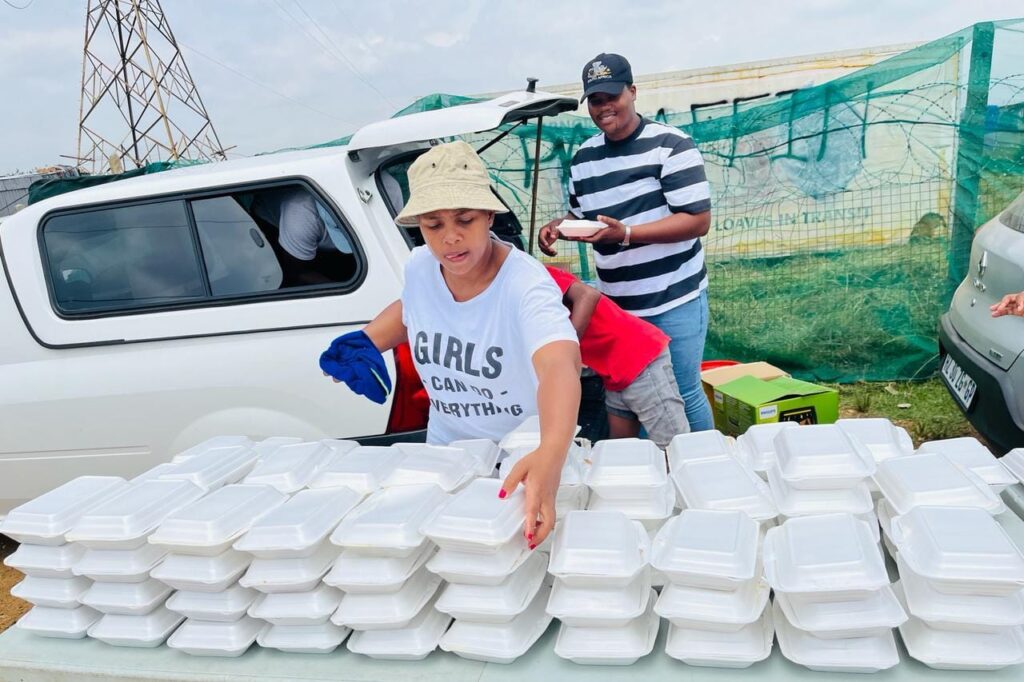
Promise Mabena, Founder of Esther’s Crown Africa, a Christian movement, explained how a project they run called Zwakala Soup and Shoe Drives, helps to build, develop and enhance literacy skills, establish and promote healthy families through the provision of nourishing meals, clothes and spiritual nourishment.
“We have been working closely with the community of eZwakala – an informal settlement neighbouring Siphethu Primary School in Daveyton, to make sure that the learners receive breakfast and sometimes a day’s meal so that they are well nourished for school and ready to learn,” Mabena said.
She said not all learners come from the same family background, so NGOs play a critical role to ensure that there is uniformity and no distinction between learners who come from disadvantaged backgrounds and those that are well off. Initiatives such as the Zwakala Soup and Shoe Drives, do exceptional work through the provision of school uniform and breakfast to those who do not have the privilege of affordability from home.
Principal Lizzy Mokoena of George Mbilase Primary in eTwatwa, says she loves and is proud of the contributions of NGOs, especially in public schools that are located in or near disadvantaged communities. Although the schools have the National School Nutrition Program (NSNP) which provides lunch, the NGOs say they saw a gap and therefore they provide breakfast to the learners before they start school.
“They make sure that where the parents’ arms cannot reach, they lend a helping hand. By the time these learners enter the school premises for learning, they are well nourished, presentable and one cannot tell who is from a poor background,” Mokoena said.
The School Governing Body Chairperson of Kuzimisela Primary School, Mngidi says the school is located in an informal settlement and that 90% of learners come from disadvantaged homes where breakfast , which is the most important meal of the day, is a luxury.
“Our door as a school is always open to NGOs that lend a helping hand to our learners like the Lihluthando Foundation which we work with very well,” Mngidi said.
The Lihluthando Foundation Founder, Thubelihle Mabuza says it’s a pleasure to work with the learners of Kuzimisela Primary School.
“I am an educator by profession, recently graduated and my passion for learners go beyond the classroom. I have witnessed poverty killing dreams of learners who had to spend their time in search and begging for their next meal when they should be in school, reshaping their future. This stirred up the desire to give and try to serve the need where possible. The learners at this school remain a joy to work with, the smiles they share receiving new school shoes becomes a beacon of hope to me,” Mabuza said.