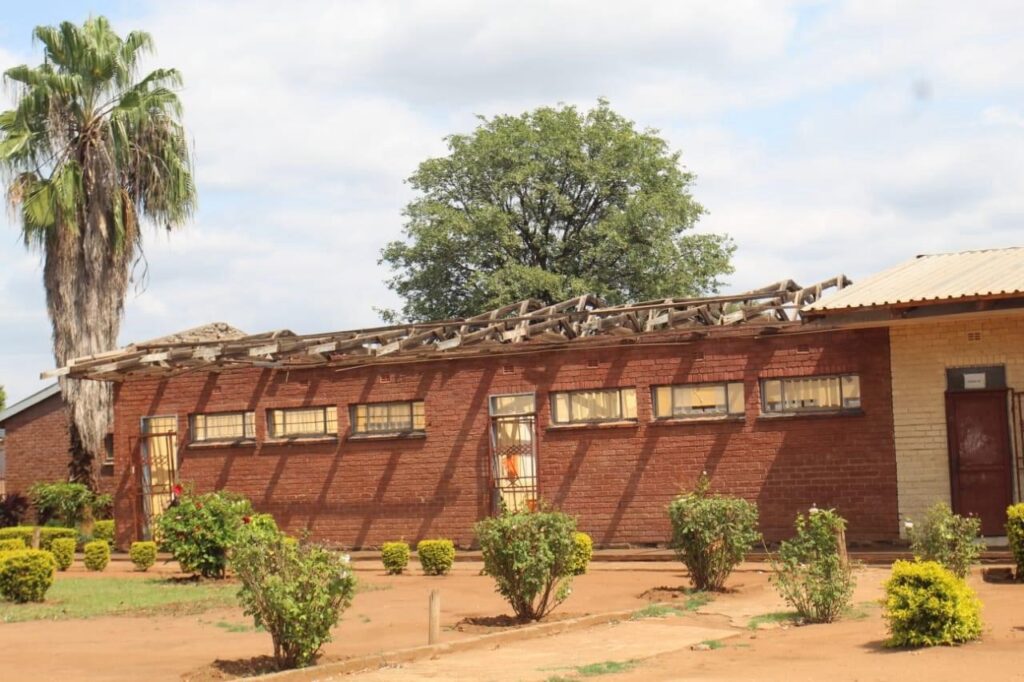
To create a conducive and safe learning environment for learners, the Limpopo Department of Education has embarked on an infrastructure improvement drive.
Renovations at the Ritlhavile Secondary School and Ndzalama Primary School have started, and the provincial education department says these major projects will be a priority.
Ritlhavile Secondary School, which is said to have only two classroom blocks and a few mobile classrooms, will be fully renovated. The department says the school will receive, but not limited to, an additional classroom block, a computer laboratory, administration block and refurbishment of the standing structures, while Ndzalama Primary School will receive 16 new classrooms, a science laboratory, ablution facilities and admin blocks.
The province’s education MEC, Mavhungu Lerule-Ramakhanya says the lack of development of infrastructure challenges faced in the past has had a huge impact in schools. About 80% of the people residing in Limpopo live in rural areas that were highly affected by years of neglect and underdevelopment.
“Despite these challenges we are not sitting back, folding our arms. Instead, we have been hard at work pushing back the effects of underdevelopment. The evidence is in our matric class of 2023 results, achieving a record 79,5% pass rate, the highest in the history of our province. This says to us, our sweat of the last three decades is bearing fruit. It says that no matter the challenges that still face us, we are getting somewhere. The bright light of progress is shining on our path, and we must not deviate from our mission,” Lerule-Ramakhanya said.
Although infrastructure projects have already started, the province is still faced with serious challenges and backlogs relating to school sanitation, dilapidated schools, storm-damaged schools, inadequate infrastructure for some special schools and water provision to name a few.
While in North West province, education MEC, Viola Motsumi, handed over a multimillion-rand primary school to the Ipelegeng township, in Schweizer-Reneke. The Schweizer-Reneke Primary consists of 21 classrooms, an administrative block, a multipurpose hall, a science lab, a kitchen, and a sports field.
Motsumi says the project was an intervention of learning challenges that the community has been experiencing, which includes overcrowding.
“It’s unacceptable that, decades into democracy, we still grapple with youth unemployment and uncertain futures. This endeavor not only addresses immediate educational needs but also fosters economic empowerment and secures a brighter tomorrow for our youth”, Motsumi said.
The Limpopo Education Department says all that has been accomplished is in collaboration with other partners outside of government and encouraged stakeholders including the learners, civil society, business, community organisations and NGOs to work together.